
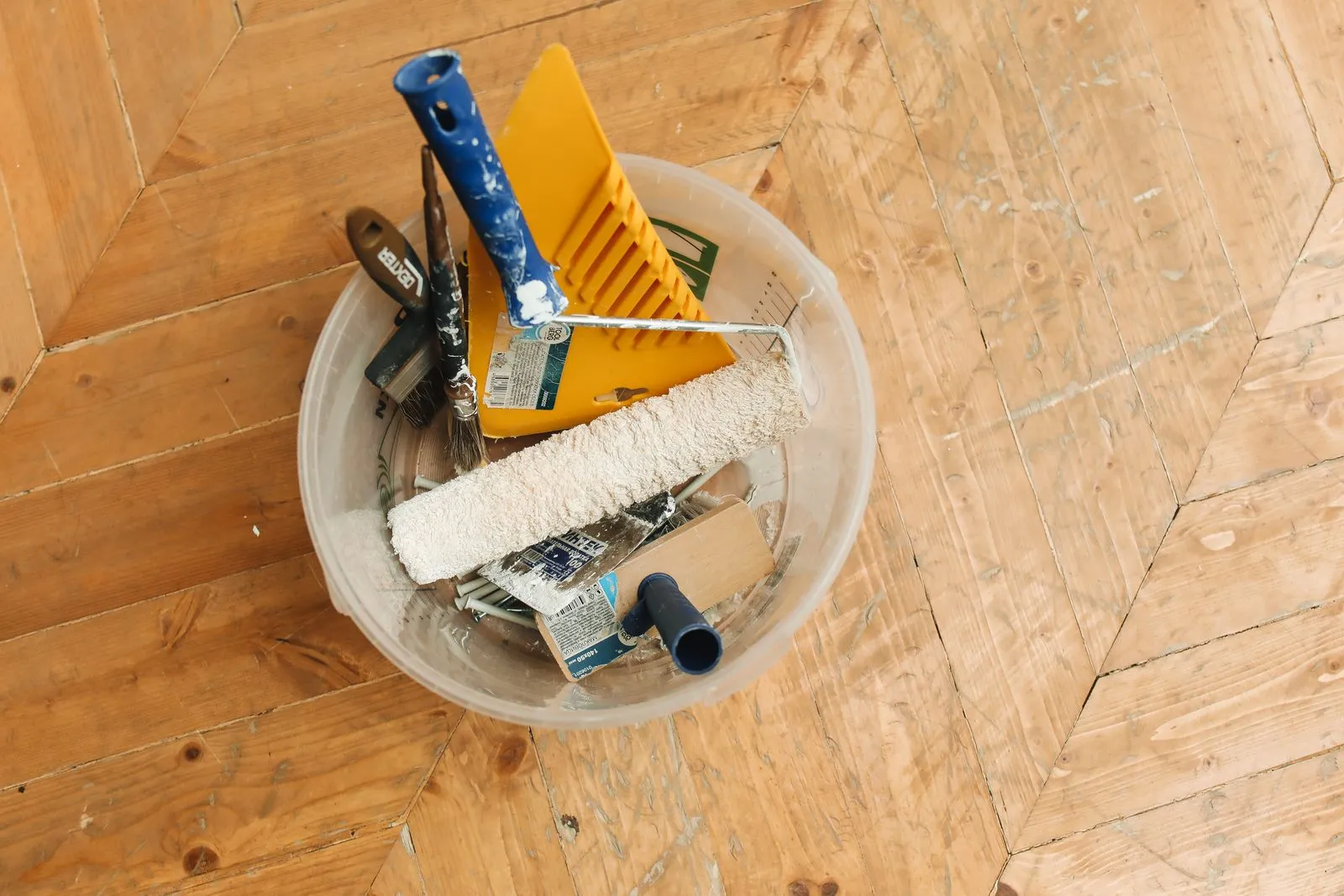
Preparing for lead-safe painting starts with clear communication and a little planning. Before work begins, tell your contractor what you know about the home’s painted surfaces, identify areas that need attention, and ask how the work area will be set up. You can also make the space easier to access by moving belongings and planning where household members and pets will stay. These steps help the crew work efficiently while keeping disruption and exposure risks in view.
Share What You Know
Tell the contractor about the home’s age if you know it, past renovations, and any previous lead testing or paint work. Point out peeling, chipping, or damaged paint, especially around windows, doors, trim, and stairs. Do not scrape or sand paint to investigate it yourself. If you have inspection or test records, share copies before the project so the contractor can review relevant details.
Walk through the work area together and identify which painted surfaces are included. Clarify whether the project covers walls, ceilings, trim, windows, or doors, and mention surfaces that should not be disturbed. Ask how the crew will handle areas where paint is damaged or where layers may need repair. Agree on the work scope before setup begins to reduce confusion once the room is prepared.
Clear the Work Area
Remove small belongings, toys, food, dishes, and personal items from the rooms being painted. Take down wall decorations and move furniture out if you can do so safely. If large furniture must remain, ask the contractor whether the crew will move and cover it or whether you should prepare it. Follow the contractor’s instructions about items that need special handling, such as electronics or soft furnishings.
Keep hallways and routes to the work area clear so workers can carry equipment and materials without obstacles. Remove rugs and floor items if requested, and plan where temporarily relocated belongings can stay away from the work zone. Avoid sweeping, vacuuming, or wiping surfaces after containment is in place unless the contractor says it is safe; cleanup should follow the work plan.
Plan Household Access
Ask which rooms will be unavailable, when work is expected to take place, and how long access restrictions may last. Make a plan for children, pets, and anyone who needs a quiet or accessible route through the home. Keep them away from the work area and any materials or tools. If household routines depend on the affected rooms, discuss alternatives with the contractor before the start date.
Confirm where workers can park, enter, and use household facilities, and share any access instructions ahead of time. Ask whom to contact if the schedule changes or you notice a concern. ClearPath Painting in Cheyenne can review preparation details with homeowners before work begins. Use the contractor’s directions for the specific project rather than assuming every job requires the same setup.
Confirm Safety Steps
Before the crew starts, ask how the work area will be contained, what surfaces will be protected, and how dust and debris will be managed. Ask how the contractor will communicate when the area is ready for use again. A qualified contractor should be able to explain the planned work and cleanup in terms you understand. Raise questions before work begins, rather than entering a restricted area to check on progress.
Do not remove barriers, handle paint debris, or clean the work zone yourself. Keep doors or other boundaries in place as instructed, and follow the contractor’s guidance about re-entry. If you see damaged containment or have a question about a safety measure, contact the crew lead and wait for instructions. Keep any project paperwork and cleanup guidance where you can refer to it after the job.
A well-prepared home helps the contractor focus on the work while your household knows what to expect. Share relevant information, clear belongings as directed, and agree on access and safety plans before the crew arrives. For help planning a lead-safe painting project, contact a qualified contractor and ask what preparation your specific home requires.